Why Australia’s animal welfare system needs a redesign
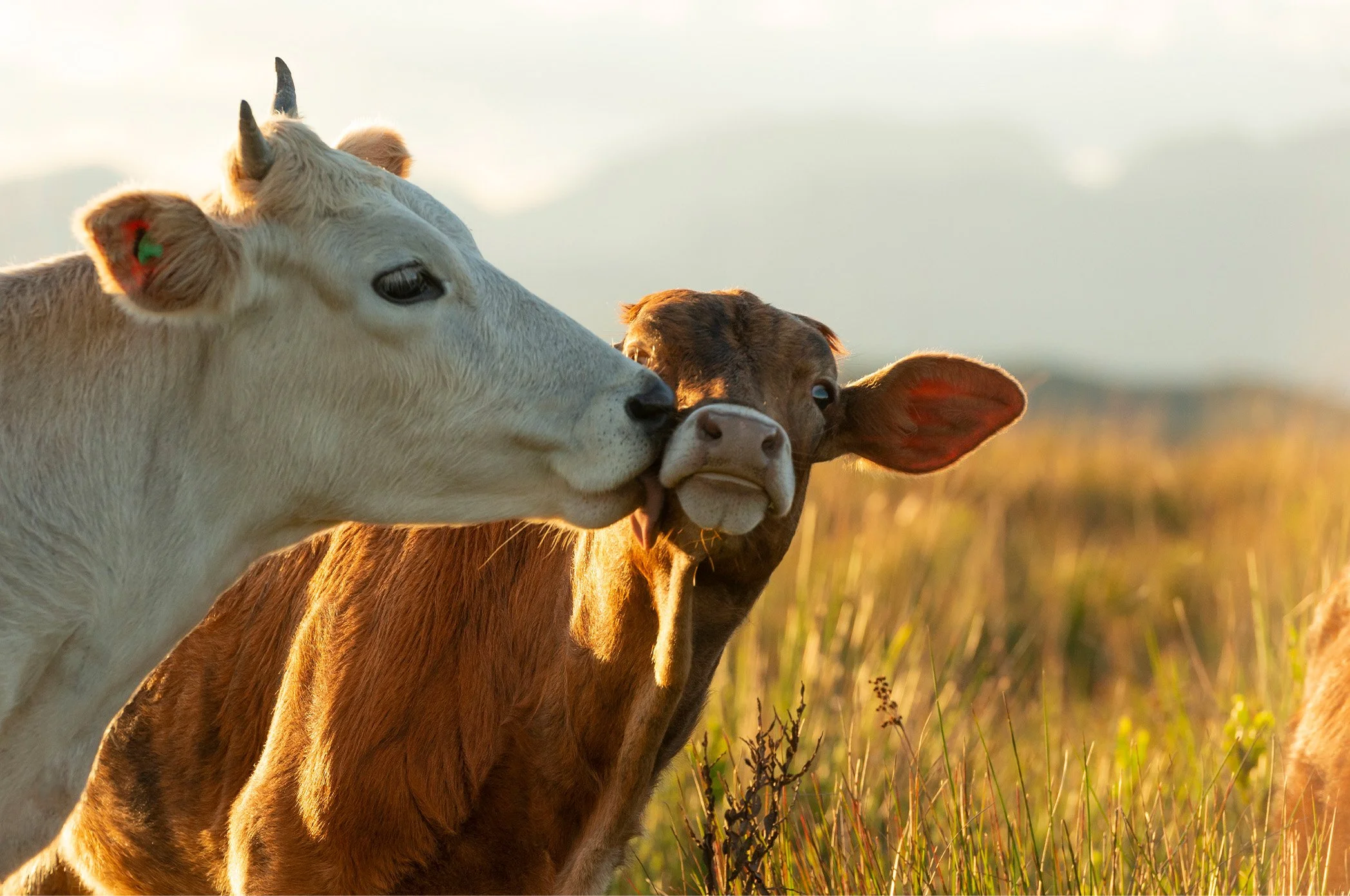
Most Australians intuitively understand that other animals are capable of experiencing the world around them – feeling joy, fear, and the drive to express their natural behaviours. We recognise that animals are sentient individuals with their own lives to lead.
But right now, our current animal welfare system does not see animals in this way.
Australia is a nation built on the principle of a 'fair go'. For most of us, this sense of fairness extends to how we treat the animals in our lives. Whether it’s the dogs or cats we share our homes with or the millions of animals farmed for food and fibre, Australians overwhelmingly believe they deserve to be treated with respect.
In fact, research shows that 98% of Australians consider animal welfare to be important. Yet there is a massive gap between what we expect and what our laws actually allow.
March 10 is Fair Go for Animals Day – a national day of action to put the spotlight on the broken animal welfare system and to call for the vital reforms needed to fix it.
The problem: A system "captured" by design
When so many Australians care about animals, why is change so slow? The answer isn't about individual "bad actors" – it's about a structural conflict of interest.
Currently, the same government departments and ministers responsible for promoting the profitability of animal industries are also responsible for animal welfare.
Because of this flawed structure:
Industry interests outweigh welfare: We see cruel, outdated confinement systems like sow stalls continue, because the system prioritises industry productivity over animal suffering.
Science is sidelined: It is still perfectly legal to perform surgical procedures on farmed animals without pain relief or whip horses while racing, even though science and evidence show there are more humane alternatives.
Animal welfare is chronically underfunded: policy development, compliance monitoring and enforcement continue to receive minuscule amounts of government funding, creating inordinate delays in reviewing outdated standards and allowing cruelty to go unchecked.
This is what experts call "regulatory capture" – where the regulator ends up acting in the interest of the industry it’s supposed to be overseeing, rather than the public interest.
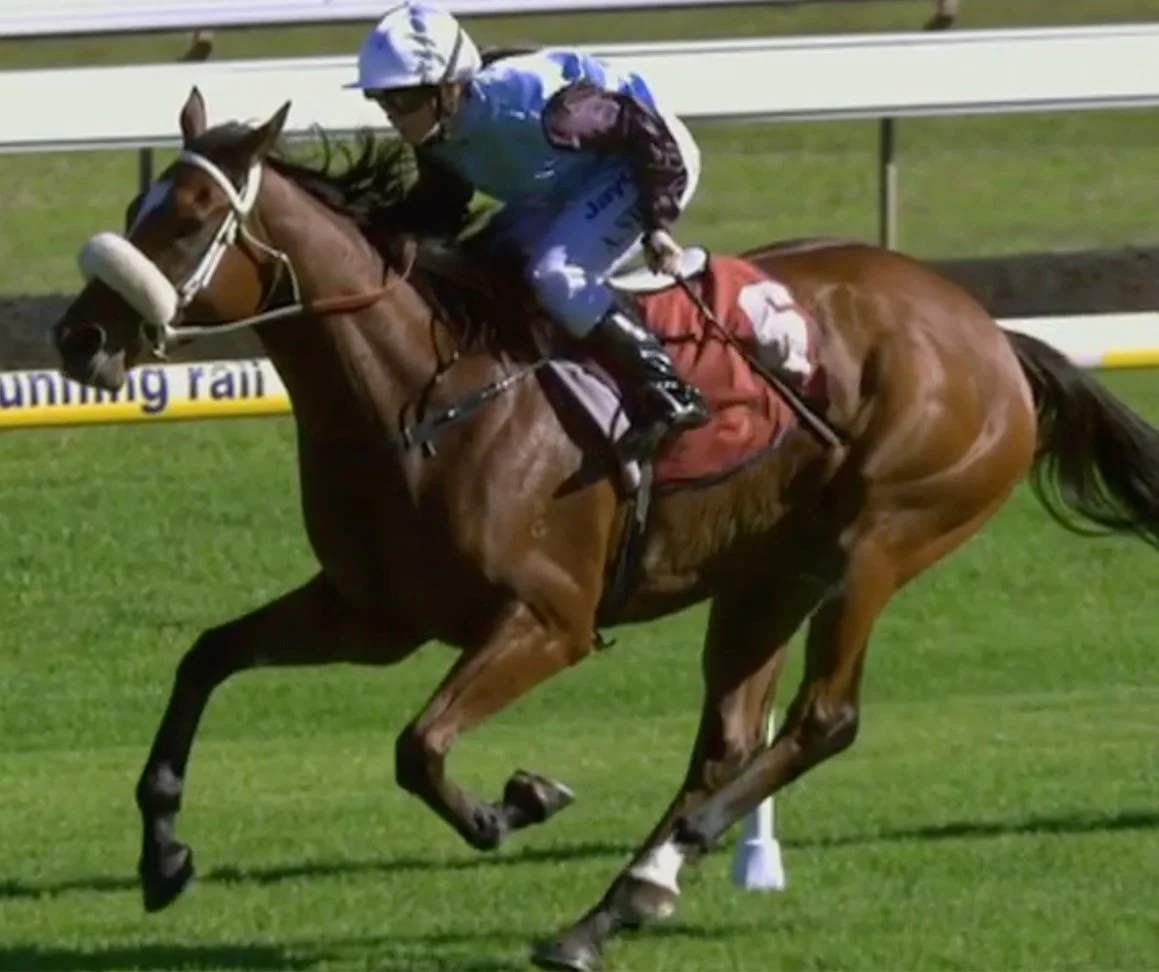
A horse being whipped during a race.
Credit: ABC News
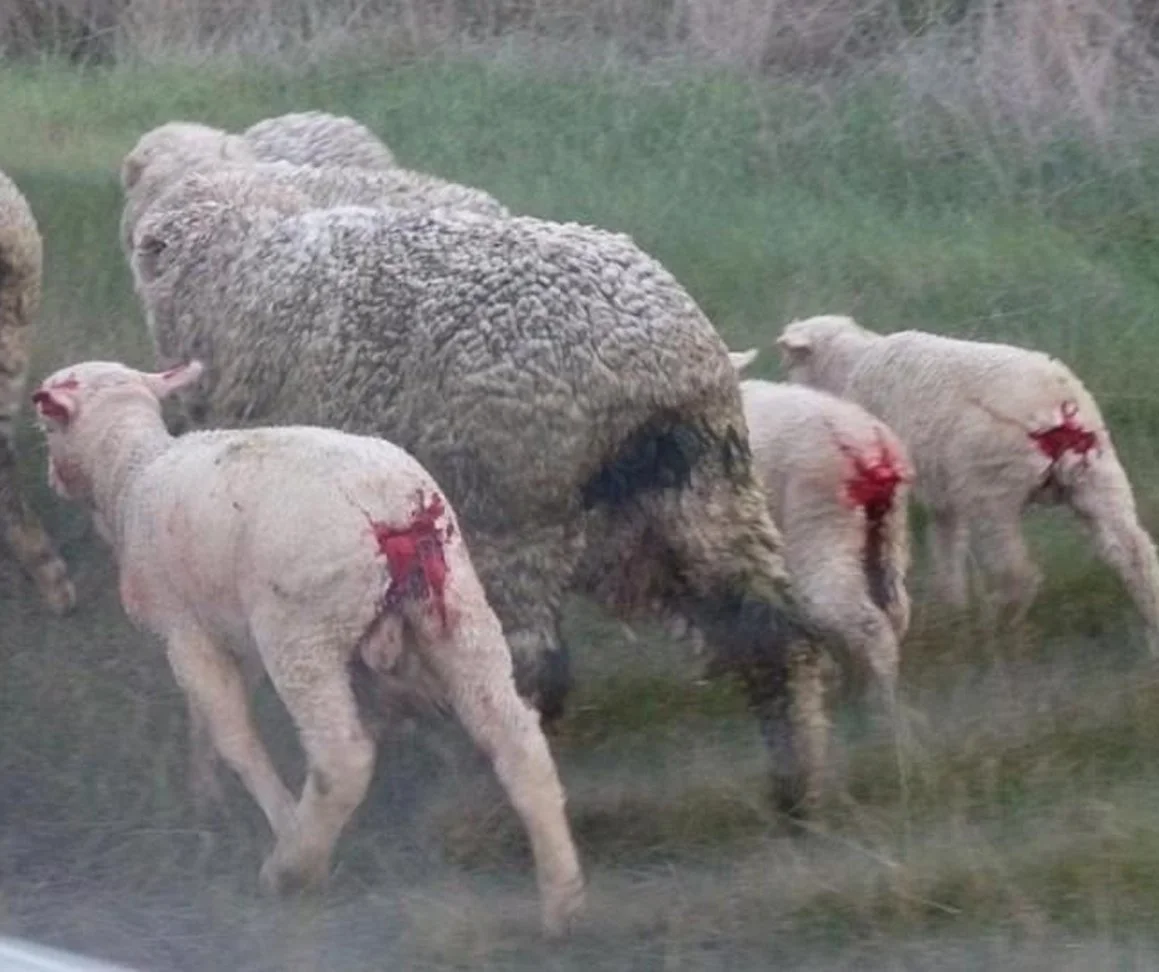
Lambs after undergoing live lamb cutting (mulesing) - a procedure often performed without any prior pain relief.
Credit: RTL.DE
The solution: Building a fair and independent system
The Fair Go for Animals framework proposes six key reforms to decouple animal welfare from agriculture and move it into a dedicated, independent framework:
Ministers for Animal Welfare: Dedicated leaders who represent animals inside government, ensuring welfare is a priority, not secondary to profits.
A National Animal Welfare Commission: A truly independent body to provide unbiased oversight and national consistency.
State Animal Welfare Authorities: Dedicated agencies in every state to ensure laws are actually upheld.
Legislative recognition of sentience: Legally enshrining that animals are sentient beings with intrinsic value.
Accountable standards: Transparent processes that put science and ethics at the heart of decision-making.
Fair funding: Proper investment to ensure these systems can function and protect animals.
Systemic change is achievable
We’ve seen other parts of the world, like the EU, UK, and New Zealand, recognise sentience and move toward creating more independent oversight. Australia has the potential to lead a new era for animal welfare, but politicians only act when they know the community is watching.
This Fair Go for Animals Day, we are asking you to help us bridge the gap between Australian values and Australian laws.
How you can help
Add your support: Join thousands of Australians in calling for an independent and fairer system.
Spread the Word: Share this post to help others understand that the problem isn't just one practice – it's the system itself.
Become a donor: Support the Alliance's work in advocating for these vital, long-overdue reforms.
Together, we can ensure that every animal in Australia truly gets a fair go