
The Alliance for Animals is raising the political profile of animal welfare during the Victorian election. We’ve contacted all registered parties to find out where they stand on the following six key reform issue for animals.
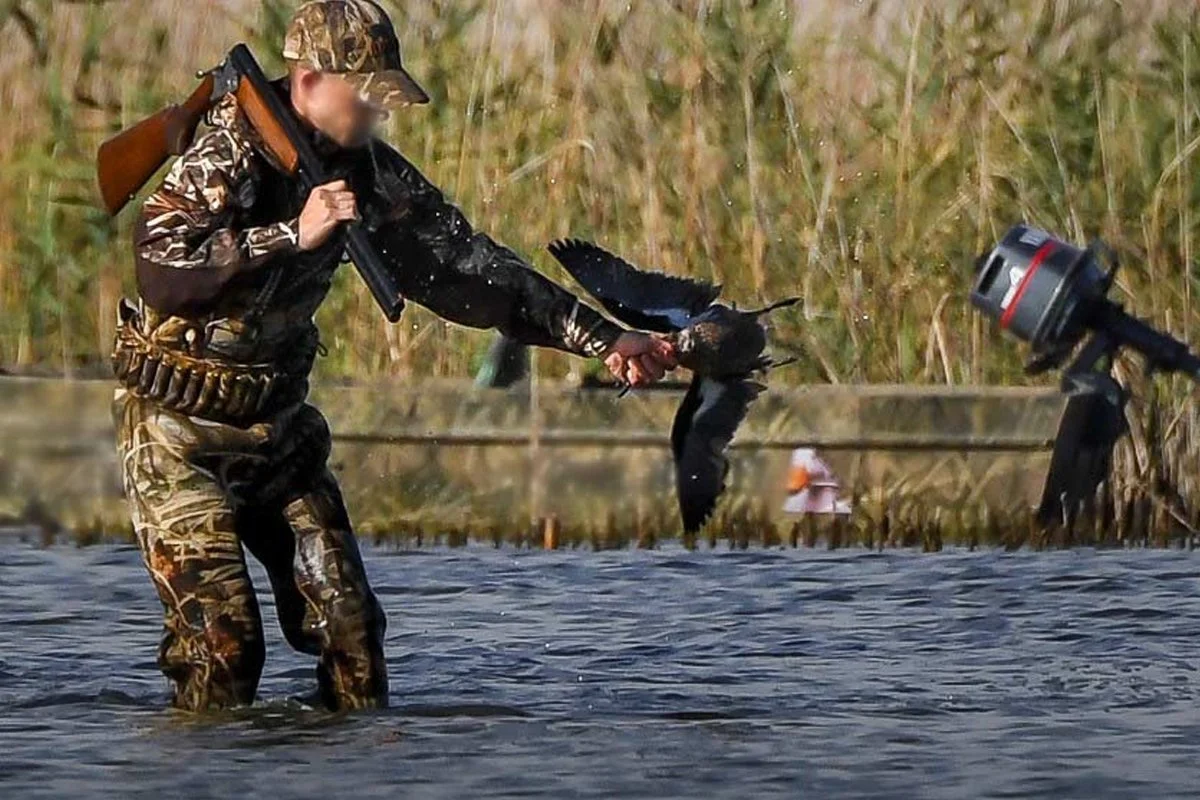
Ending recreational duck shooting
Recreational duck and quail shooting continues in Victoria despite longstanding concerns about animal suffering, declining waterbird populations and the impacts on threatened species.
In 2023, a Victorian parliamentary inquiry recommended banning recreational native bird hunting, citing unacceptable wounding rates, animal welfare concerns and failures in regulatory oversight.
Despite these findings, the Victorian Government rejected the inquiry’s recommendation in 2024, allowing recreational shooting to continue.
Ending recreational duck and quail shooting would prevent the unnecessary suffering of native birds.
Duck shooting has never been allowed in the ACT and has been banned in Queensland, NSW, and Western Australia.
Policy ask
Introduce legislation to ban recreational duck and quail shooting consistent with the recommendation of the Legislative Council Committee on Victoria’s Recreational Native Bird Hunting Arrangements.
Image: Animals Australia
Modernising Victoria’s animal welfare legislation
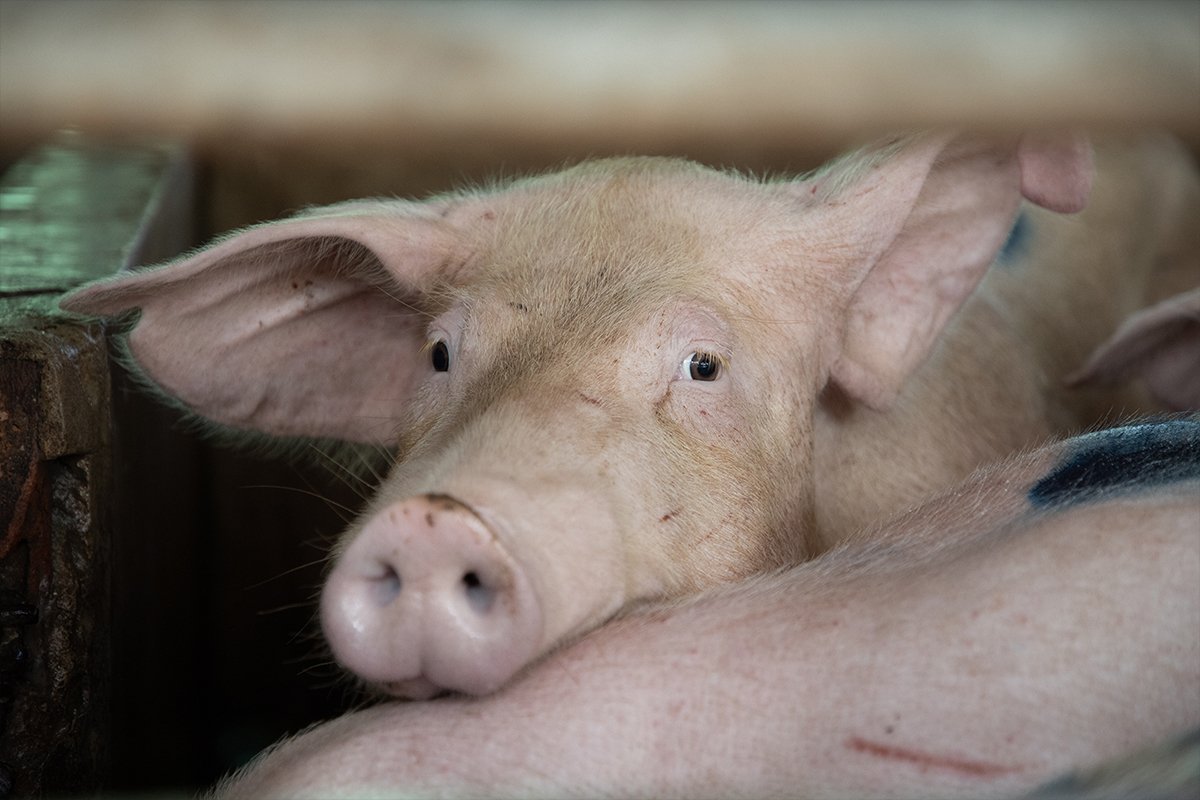
Victoria’s animal welfare laws are now 40 years old and are no longer fit for purpose. The Prevention of Cruelty to Animals Act 1986 (Vic) focuses primarily on preventing cruelty rather than proactively protecting animal welfare and ensuring animals can live good lives.
In 2017, the Victorian Government committed to replacing these outdated laws. After years of development and consultation, it released the draft Animal Care and Protection Bill in 2023, which would strengthen protections against cruelty and explicitly recognise animals as sentient beings. Yet despite nearly a decade of work, the Government shelved the legislation rather than introducing it to Parliament.
These long-overdue reforms are a necessary step towards bringing Victoria’s animal welfare laws into the 21st century and in line with contemporary science and community expectations. Animals cannot afford further delays.
Policy ask:
Expedite the passage of the Animal Care and Protection Bill to replace the Prevention of Cruelty to Animals Act 1986 (Vic) before the end of 2027, ensuring the explicit legal recognition of animal sentience.
Increasing protections for wildlife
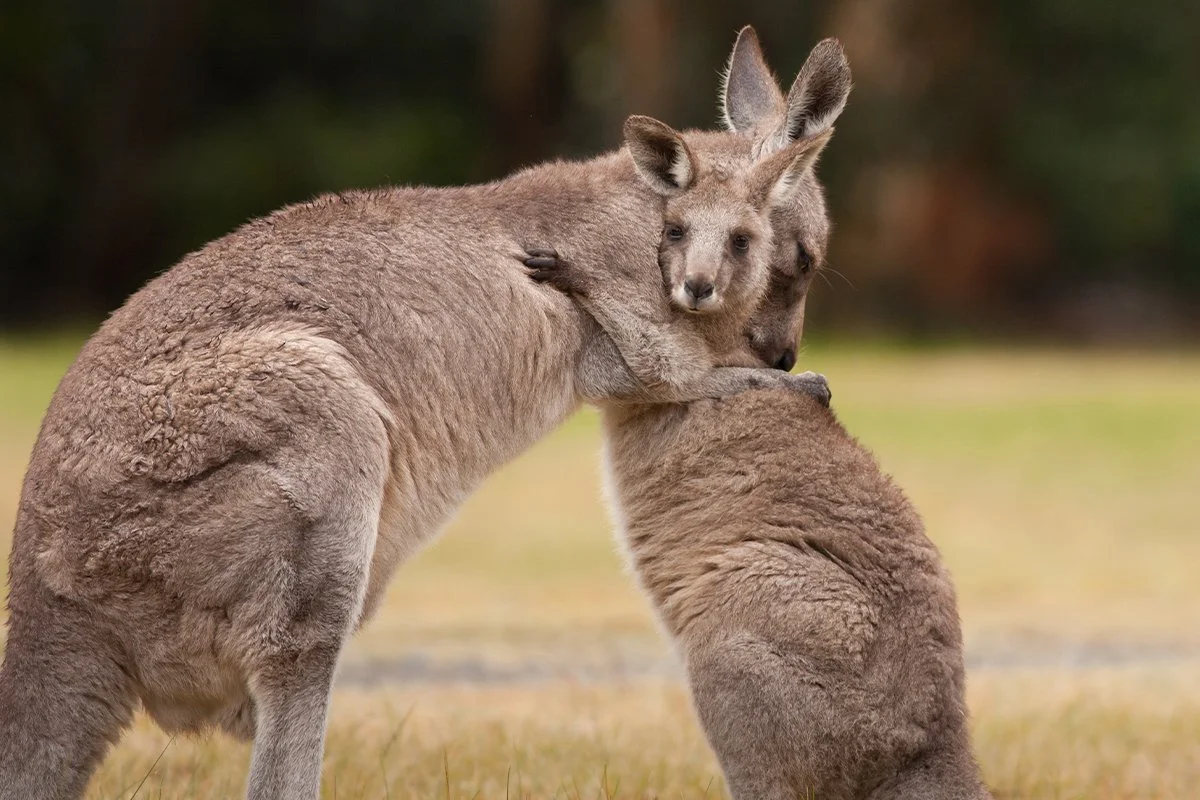
In 2024, the Victorian Government issued permits authorising the killing of more than 177,000 native animals through its Authority to Control Wildlife (ATCW) system.
These permits are intended as a last resort when wildlife comes into conflict with human activities. However, applicants are not required to provide substantive evidence of damage or demonstrate that non-lethal alternatives have been exhausted. There is also limited transparency about how many animals are killed, the methods used and the fate of dependent young.
Victoria's wildlife also face significant risks during bushfires and other emergencies. Despite having specialist expertise, wildlife rescue organisations can be prevented from accessing affected areas to provide urgent care.
Stronger safeguards, greater transparency and better integration of qualified wildlife rescue teams into emergency responses are needed to protect Victoria's native animals.
Policy ask:
Reforming the Wildlife Act 1975 (Vic) to:
(a) Improve ATCW accountability: Mandate substantive evidence of damage and the exhaustion of non-lethal options; require the publication of application decisions, reasons and kill data; and enforce strict welfare and competency standards; and
(b) Enhance emergency responses: Integrate qualified NGO disaster response wildlife teams into incident control centres and grant them fireground access equivalent to other emergency response professionals.
Establishing a State Animal Welfare Authority
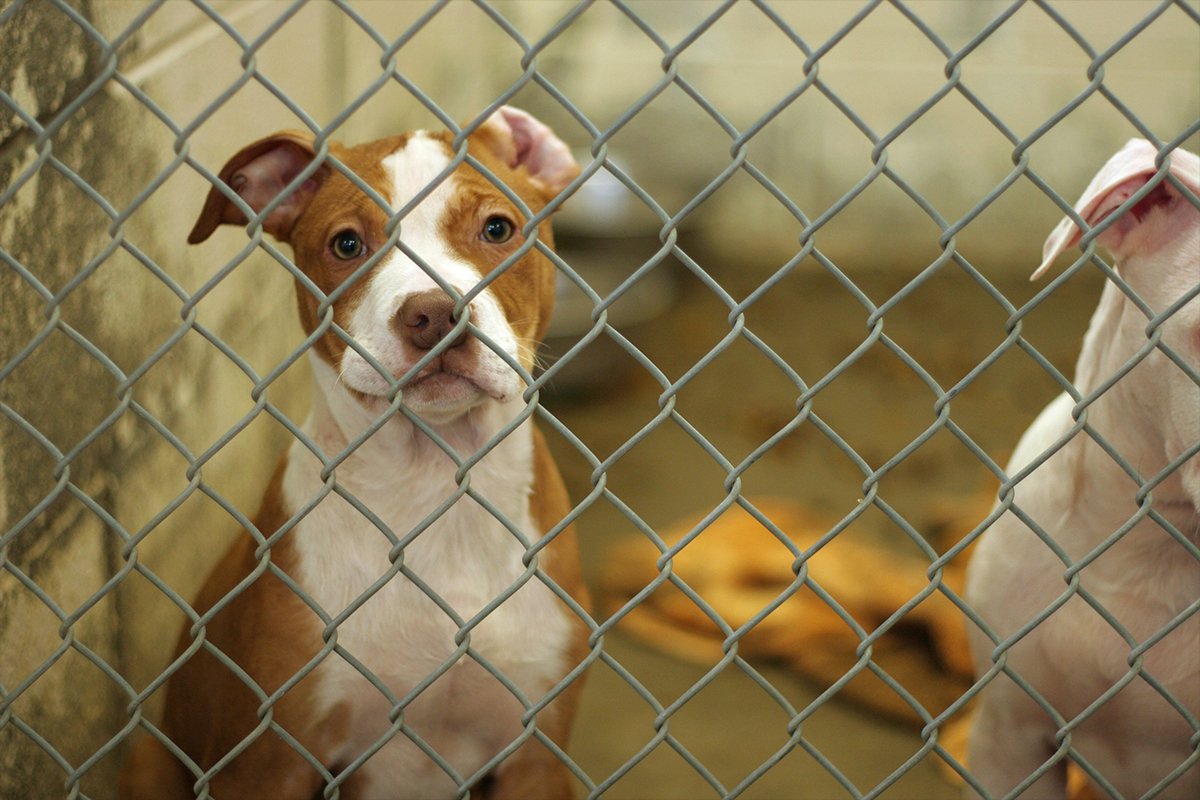
Animal Welfare Victoria is currently part of a government department that is also responsible for promoting agricultural productivity and profitability. This creates competing priorities between protecting animals and supporting the industries that use them.
Without independent statutory status, Animal Welfare Victoria’s responsibilities, resources, and priorities can shift at the whim of a new department head or minister.
Establishing an independent statutory authority would strengthen oversight, improve accountability and help ensure animal welfare decisions are made in the best interests of animals.
This reform also reflects community expectations, with a recent national survey by BehaviourWorks Australia finding that 77% of Australians agreed that the final say on animal welfare policy should sit with an independent, impartial authority.
Policy ask:
Strengthen animal welfare enforcement arrangements by recognising Animal Welfare Victoria as an independent statutory body under the Prevention of Cruelty to Animals Act 1986 (Vic) with responsibility for administering the Act, and with an appropriate budget allocation to ensure adequate resourcing.
Note: this would not replace RSPCA inspectors – they would report to the Authority.
Ending public funding of greyhound racing
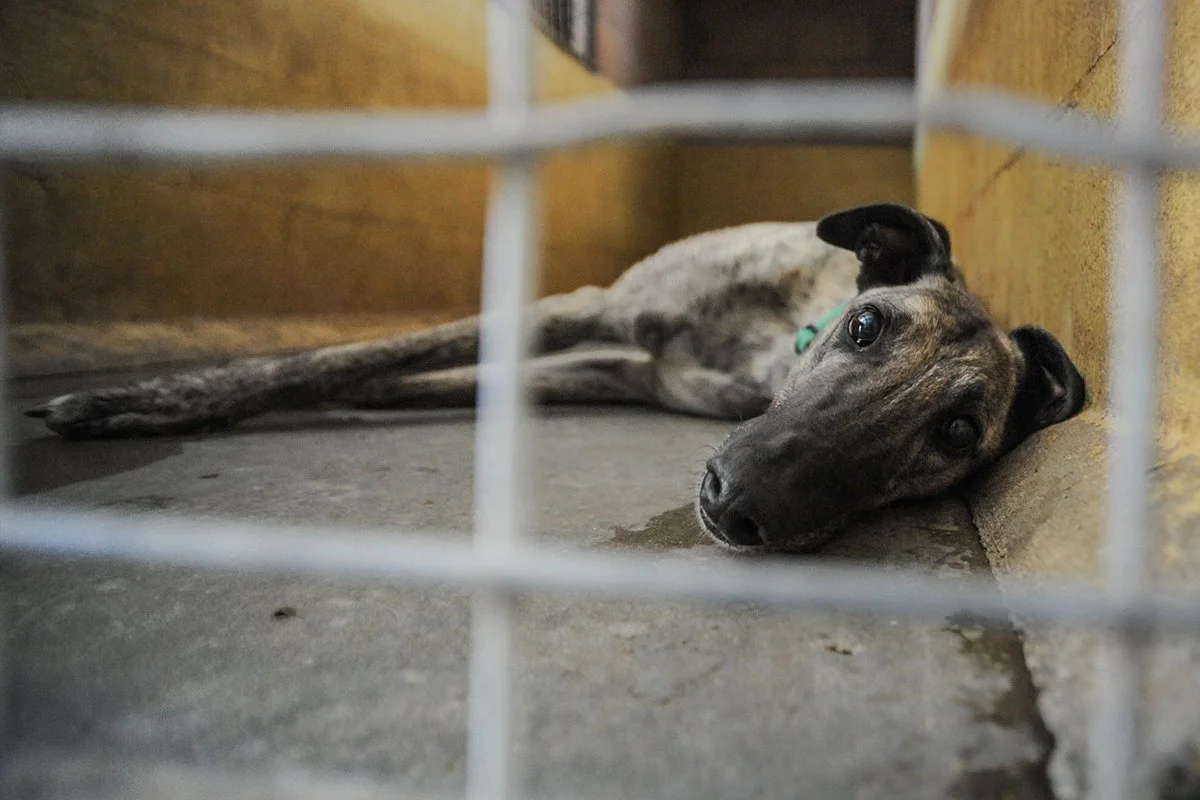
Greyhound racing continues to cause serious animal welfare harm, with 24 greyhounds killed and 2,387 injured on Victorian racetracks in 2026 alone.
Despite these ongoing welfare concerns and growing public opposition to the industry, the Victorian Government continues to provide substantial financial support to greyhound racing.
Almost seven in ten Australians oppose government subsidies for greyhound racing, yet approximately $500 million in public funding could be directed to the industry over the next decade.
At a time when Victoria faces significant financial pressures, continuing to subsidise an industry responsible for widespread animal suffering raises serious questions about government spending priorities.
Policy ask:
Commit to phasing out the public funding of greyhound racing in the next parliamentary term by ceasing distribution of the Point of Consumption Tax towards greyhound racing, ending all greyhound-related grants from the Victorian Racing Industry Fund, stopping one-off payments and by mandating that no funds are directed towards the greyhound code from industry funding agreements.
Image: We Animals Media
Phasing out live lamb cutting (mulesing)
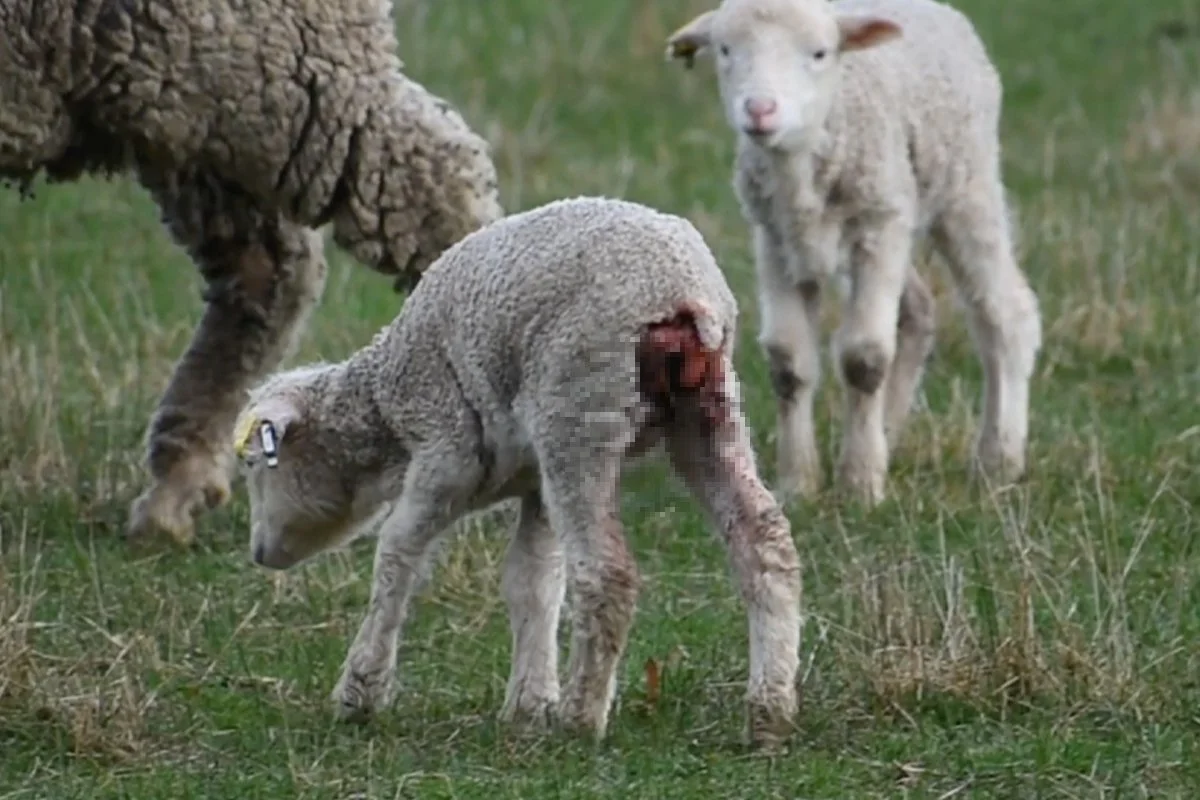
Live lamb cutting, also known as mulesing, is a painful surgical procedure performed on young lambs, usually between 2 to 12-weeks-old. Lambs are restrained on their backs in a metal cradle while large folds of skin are cut off from around their buttocks and the base of their tail, typically using metal shears, and often without adequate pain relief. The procedure is traumatising for lambs and the large open wounds can take many weeks to heal.
Breeding naturally flystrike-resistant Merino sheep with fewer wrinkles and skin folds offers a practical, long-term solution that would eliminate the need for live lamb cutting. With a transition possible within five years, government action is needed to drive industry change and protect lambs from unnecessary suffering. During the transition period, multi-modal pain relief must be used.
Policy ask:
Introduce legislation within the next parliamentary term to commence a phase out of live lamb cutting (mulesing), require multi-modal pain relief while the practice continues, and promote the breeding of fly-strike resistant sheep.
Image: Sheep Advocate Australia
Stay tuned
We will soon be releasing where the parties stand...
What can you do?
Engage with candidates/parties: We’ve created a toolkit to help you contact the parties and let them know what you think about these issues.
Educate & share: Learn where the parties and candidates stand on key reforms for animals & share our scorecards with your networks.
Follow the Alliance: Keep up-to-date with the issues by following the Alliance on social media & signing up to our news.